
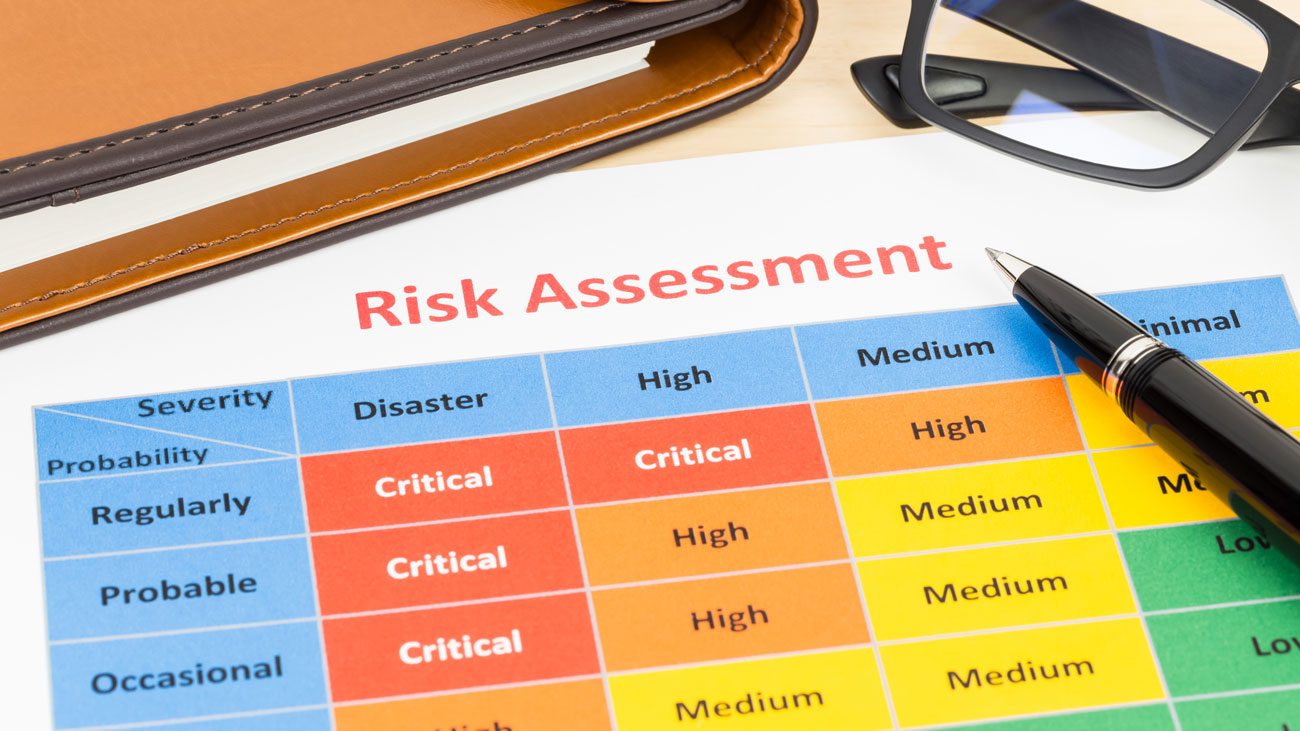
National risk assessment is an important process that helps governments and organizations understand potential dangers and threats that a country may face. These dangers can include natural disasters, economic crises, health emergencies, or security threats.
By analyzing risks in a structured way, decision-makers can plan ahead and take steps to protect citizens, resources, and infrastructure. Conducting national risk assessments creates a clear picture of vulnerabilities and opportunities to strengthen safety and preparedness.
1. Improves Disaster Preparedness
The national risk assessment allows countries to prepare better for disasters. By identifying areas that are prone to floods, earthquakes, or storms, authorities can plan emergency responses in advance. This preparation ensures that resources like medical supplies, food, and shelter are available when needed.
Communities receive clear guidance on evacuation routes and safety measures, reducing harm to people and property. Overall, risk assessment makes disaster response faster and more efficient.
2. Supports Informed Decision-Making
National risk assessment provides accurate information that guides leaders in making decisions. Governments can allocate budgets, plan infrastructure projects, and develop policies based on the level of risk in different regions.
For example, areas with higher flood risk can receive more investment in drainage systems or flood barriers. Leaders can also prioritize public health programs and security measures where they are needed most. Having clear risk data ensures that decisions are strategic rather than reactive.
3. Enhances Public Safety
By understanding potential risks, authorities can take steps to protect the population. National risk assessment highlights vulnerabilities in transportation, healthcare, and communication systems. This knowledge helps governments create safety protocols, improve emergency services, and train first responders.
Citizens also become more aware of risks and adopt safer practices in their daily lives. As a result, communities are stronger, safer, and better able to handle unexpected events.
4. Encourages Economic Stability
National risk assessment can reduce economic losses during crises. By identifying risks early, governments and businesses can take preventive measures to protect critical industries and infrastructure. For example, risk analysis can guide investment in resilient energy systems or secure supply chains.
Businesses can plan for interruptions and reduce financial damage during emergencies. A stable economy builds confidence among citizens, investors, and international partners, which supports long-term growth.
5. Strengthens National Security
National risk assessments also help protect countries from security threats. It identifies areas vulnerable to cyberattacks, terrorism, or border conflicts. Authorities can plan effective security measures, monitor high-risk zones, and respond quickly to incidents.
This approach reduces the chance of harm to citizens and critical infrastructure. By understanding threats in advance, countries maintain safety and stability, ensuring that citizens feel secure in their daily lives.
Conclusion
National risk assessment plays a crucial role in protecting people, resources, and the economy. It helps countries prepare for disasters, make informed decisions, ensure public safety, maintain economic stability, and strengthen national security.
Conducting these assessments regularly allows governments to respond quickly and efficiently to potential threats. By using risk assessment as a tool, nations can create safer, stronger, and more resilient communities for the future.