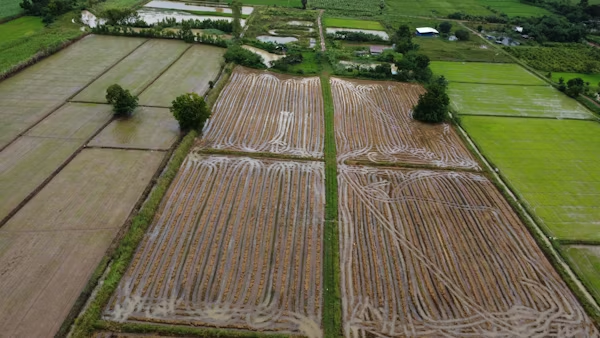
Field tile farming is a widely used agricultural practice that involves installing a network of subsurface drainage tiles to remove excess water from soil. This method helps maintain optimal soil conditions, prevents waterlogging, and supports healthy crop growth.
By improving soil structure and controlling moisture levels, field tile farming offers several advantages that contribute to increased yields, better crop quality, and sustainable farming practices.
1. Improved Soil Drainage
One of the primary benefits of field tile farming is enhanced soil drainage. Excess water in fields can lead to waterlogged soil, which suffocates plant roots and reduces nutrient uptake.
Installing subsurface tiles allows water to drain away efficiently, ensuring that crops receive the right balance of moisture. Proper drainage prevents standing water and helps maintain soil structure, which is essential for healthy root development.
2. Increased Crop Yields
Field tile farming can significantly boost crop yields by creating an ideal growing environment. Well-drained soil allows roots to access oxygen and nutrients more effectively, promoting stronger plant growth.
Studies have shown that fields with proper tile drainage often produce higher yields compared to poorly drained fields. By minimizing water stress and improving nutrient availability, farmers can achieve more consistent and abundant harvests.
3. Reduced Soil Erosion and Compaction
Excess surface water can cause soil erosion and compaction, both of which negatively impact crop production. Field tile farming helps manage water flow, reducing runoff and preventing topsoil loss.
Additionally, well-drained soil is less prone to compaction, making it easier for roots to penetrate and establish themselves. By preserving soil integrity, farmers can maintain long-term productivity and improve overall land management.
4. Better Nutrient Management
Field tile farming also supports effective nutrient management. When water drains efficiently, nutrients such as nitrogen and phosphorus are less likely to leach or accumulate in undesirable areas.
This ensures that crops have access to essential nutrients in the root zone, promoting healthy growth and minimizing the risk of nutrient runoff into nearby water sources. Proper nutrient availability directly contributes to higher crop quality and productivity.
5. Extended Planting and Harvesting Windows
Poorly drained fields often limit the timing of planting and harvesting due to wet and muddy conditions. With field tile farming, soil dries more quickly after rainfall, allowing farmers to access their fields sooner.
This flexibility in scheduling can lead to earlier planting, faster crop development, and timely harvesting, which is particularly important for seasonal crops.
6. Environmental and Economic Benefits
In addition to crop-related advantages, field tile farming provides environmental and economic benefits. Improved drainage reduces the risk of crop loss due to flooding and minimizes the need for replanting, saving time and money.
Efficient water management also helps protect surrounding ecosystems by controlling runoff and reducing the impact on nearby streams and rivers. Over time, the investment in field tile farming can pay off through higher yields, better crop quality, and reduced maintenance costs.
Conclusion
Field tile farming is a valuable practice that enhances soil drainage, increases crop yields, and supports sustainable farming. By improving root health, nutrient management, and planting flexibility, this method helps farmers achieve better productivity and long-term land management.
Incorporating field tile farming into agricultural operations ensures healthier crops, higher profits, and more efficient use of farmland.