
Federal agencies handle numerous projects each year, ranging from infrastructure development to technology upgrades and public services. Managing these projects efficiently requires expertise, experience, and reliable resources. This is where a government contractor can play a vital role. By collaborating with skilled contractors, federal agencies can complete their projects more effectively, saving time, reducing costs, and ensuring high-quality outcomes.
Understanding the Role of a Government Contractor
A government contractor is a professional or organization hired by federal agencies to provide specialized services or solutions. These contractors often bring expertise that the agency may not have internally. Their role can include planning, executing, and managing specific tasks within a project. By leveraging the skills of a government contractor, federal agencies can focus on policy and oversight while ensuring that technical and operational work is handled efficiently.
Efficient Project Planning
One of the key ways a government contractor can streamline federal agency projects is through effective project planning. Contractors typically have experience in managing similar projects and can create detailed project plans that include timelines, resource allocation, and risk management strategies. This level of planning helps federal agencies anticipate challenges before they arise, reduce delays, and stay within budget. Contractors also assist in coordinating with different stakeholders, ensuring everyone involved understands their responsibilities and deadlines.
Advanced Technology and Tools
Government contractors often bring access to advanced technology and tools that agencies may not possess. From project management software to specialized equipment, these tools help streamline workflows, track progress, and maintain quality standards. Using the right technology ensures that projects run smoothly and data is organized for easy reporting and analysis. This capability is especially important for large-scale federal projects where coordination across multiple teams and locations is necessary.
Expertise in Compliance and Regulations
Federal projects come with strict regulations and compliance requirements. A government contractor is well-versed in these rules and ensures that every step of the project meets legal and procedural standards. This expertise reduces the risk of errors, delays, or penalties that could arise from non-compliance. Agencies benefit from contractors’ knowledge of procurement procedures, reporting requirements, and federal guidelines, making the entire project process more efficient.
Resource Management
Managing resources effectively is crucial for any federal project. Government contractors can help optimize the use of labor, materials, and funding. By analyzing project needs and monitoring resource allocation, contractors ensure that no aspect of the project is overstaffed or underfunded. This careful management reduces waste, cuts unnecessary expenses, and improves overall productivity. Agencies can rely on contractors to maintain a steady workflow without compromising quality.
Enhanced Communication and Coordination
Communication is often one of the biggest challenges in federal projects involving multiple teams. Government contractors can facilitate clear and consistent communication between all parties, including agency staff, subcontractors, and vendors. With regular updates and progress reports, agencies stay informed about project status and can make timely decisions. Coordinated communication also helps resolve issues quickly, preventing small problems from turning into major setbacks.
Risk Management and Problem Solving
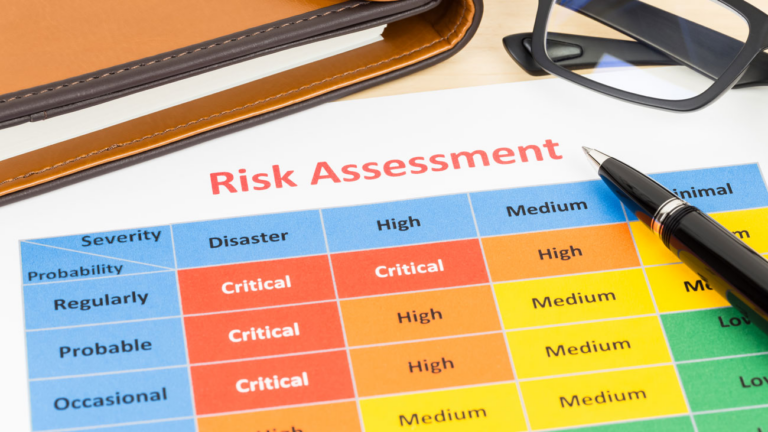
Unexpected challenges are common in any project. Government contractors bring experience in identifying potential risks and implementing strategies to mitigate them. They can also provide immediate solutions when issues arise, minimizing disruptions to the project timeline. Agencies benefit from contractors’ proactive approach, which ensures projects stay on track and meet deadlines even when challenges occur.
Conclusion
A government contractor can significantly streamline federal agency projects by providing expertise, efficient planning, advanced technology, and regulatory compliance. Their role in resource management, communication, and risk mitigation allows federal agencies to execute projects more smoothly and effectively. By partnering with experienced contractors, agencies not only achieve better project outcomes but also enhance efficiency, reduce costs, and ensure public services are delivered successfully.