Safety is of the utmost importance on construction sites since it not only helps save money and time, but can also ensure the safety of workers.
With the inherent dangers that come with it, the construction Sites industry is among the riskiest sectors worldwide. Site managers and employers are legally bound to implement strict safety guidelines to protect their employees.
We’ve compiled a complete guide on the most important 10 safety guidelines for construction sites that everyone must know.
1. Give adequate training:
A proper training program is crucial to decreasing the chance of injuries on construction sites. Workers should be provided with an adequate amount of training and orientation before starting any work. They should be aware of potential dangers at the work site and know how to safeguard themselves and other workers.
2. Wear the appropriate Personal Protective Equipment (PPE):
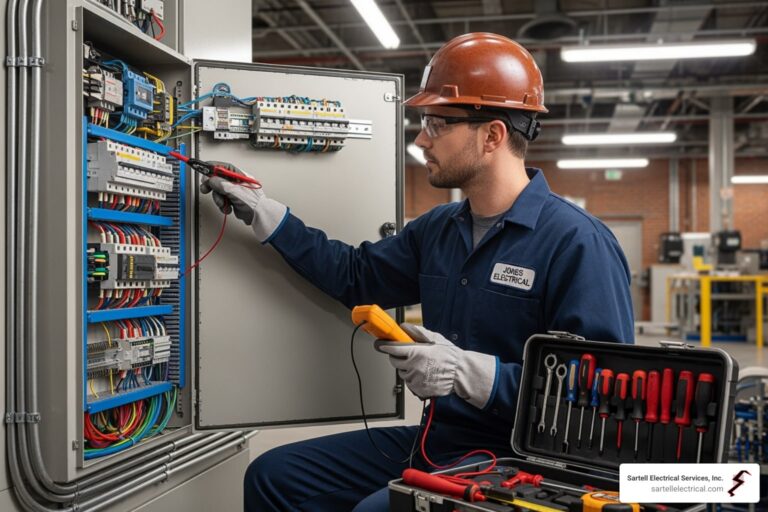
PPE is a vital element of safety on construction sites. Employers should make sure that all employees wear appropriate safety equipment, which includes hard hats, gloves, eye and ear protection, and respirators, among other things.
3. Make sure you are using the correct tools and equipment:
Utilizing the correct tools and equipment to complete specific job requirements is essential to prevent accidents. Be sure that all equipment and tools are regularly checked, maintained, andkeptd in good condition.
4. Maintain the Site Clean and well-organized:
A clean and well-organized workplace helps to reduce the chance of injuries. Employers should regularly maintain and clean the construction site, including taking away any debris or substances that can cause accidents, falls, or trips.
5. Be sure to follow OSHA Guidelines:
Employers must adhere to the guidelines laid out in OSHA. Occupational Safety and Health Administration (OSHA). These guidelines cover a variety of aspects of the safety of construction sites, which include working in trenches andexcavation ss as well as fall protection and electrical safety.
6. Take Safety Measures to Work at Heights:
Falls are the leading reason for injury at construction sites. Employers need to take a strict approach to protect workers working at high levels. This includes the use of fall protection equipment like harnesses and guardrails.
7. Create safe practices for heavy Machinery:
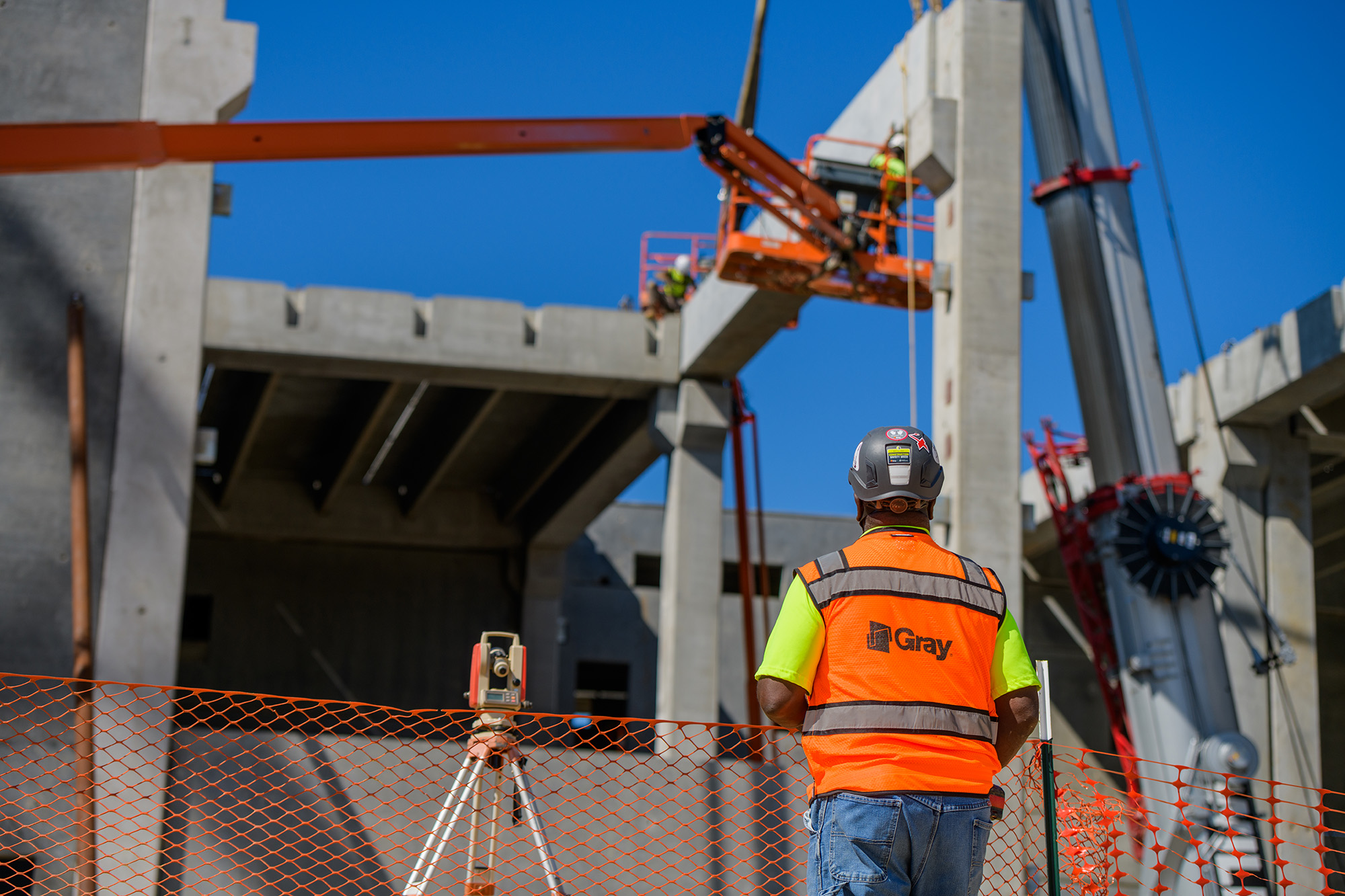
Heavy machinery, like bulldozers and cranes, can pose a serious risk to the safety of workers. construction sites Employers need to adopt clear and safe procedures to operate these machines, making sure that only trained employees are permitted to operate them.
8. Communicate Effectively:
Effective communication is vital to making sure that construction sites are safe from accidents. Employers need to be in constant contact with their employees and have clear guidelines for reporting injuries, accidents, and unsafe working conditions.
9. Make sure to regularly inspect and maintain equipment:
All construction equipment should be routinely checked and maintained in order to avoid problems that could lead to accidents or injuries.
10. Conduct regular safety meetings:
Regular safety meetings keep construction employees informed of the most current safety guidelines and can help them identify potential hazards before they become accidents. Employers must hold safety meetings frequently and include all employees.
Construction
Safety on the job should be essential for all site managers. By adhering to these 10 safety rules, workers can be safe, and accidents can be reduced or eliminated. A healthy and safe working environment is good for everyone. We all have to take action to ensure the construction sites are as secure as they can be.